ממוקם ביופי הפראי של ג'קסון הול, ויומינג, עם פארקים לאומיים כרקע מדהים, הת'ר ג'יימס ג'קסון הביאה את הקליבר הגבוה ביותר של יצירות אמנות ושירותים למערב Intermountain במשך למעלה מעשור.

הת'ר ג'יימס, המספקת את הקהילה הייחודית שהופכת את ג'קסון הול ליעד שאין שני לו לתרבות האמריקאית ולחיק הטבע, שואפת לספק מבחר שאין דומה לו של יצירות אמנות ושירותי כפפות לבנות למקומיים ולמבקרים כאחד.

172 סנטר סטריט, סוויטה 101
תיבת דואר 3580
ג'קסון הול, WY 83001
(307) 200-6090

שעות פתיחה: 1 בדצמבר 2025 עד 28 במרץ 2026
שלישי - שבת 10:00 עד 17:00

תערוכות
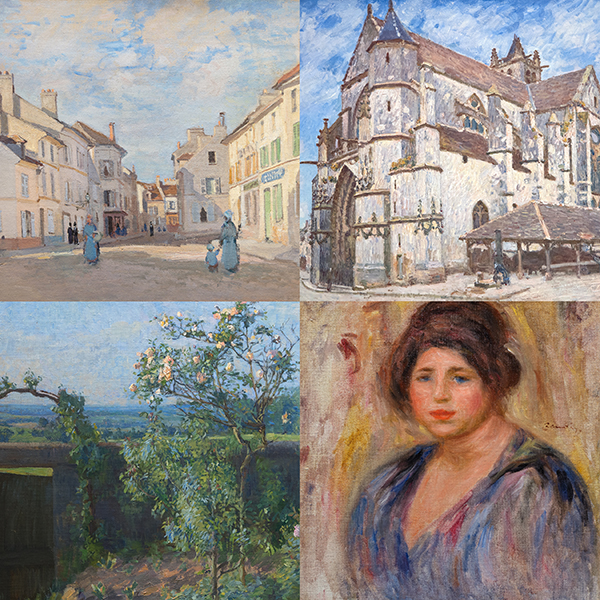
אימפרסיוניזם בהת
ארכיון

אימפרסיוניזם בהת'ר ג'יימס פיין ארט

1 בספטמבר - 31 באוקטובר 2022
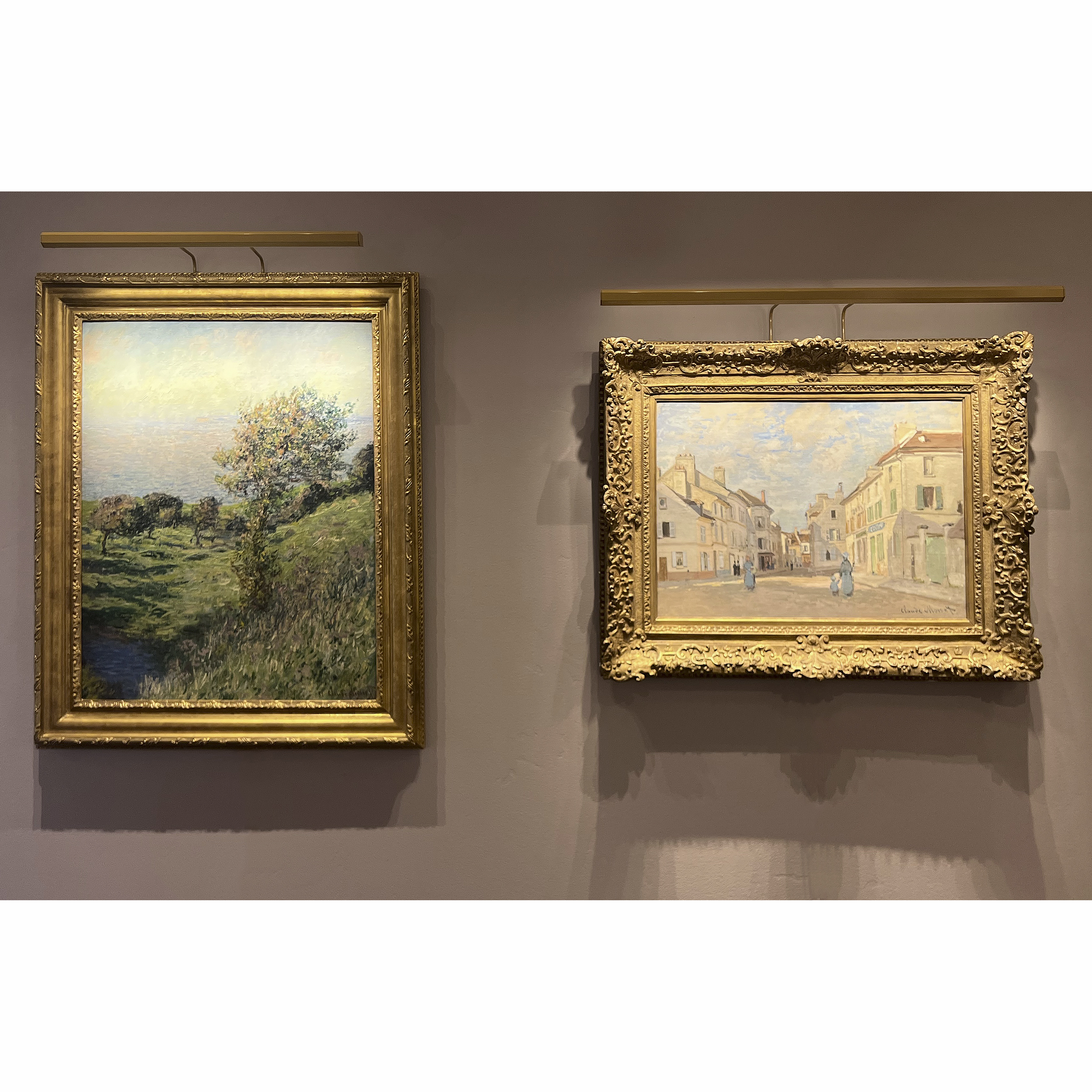
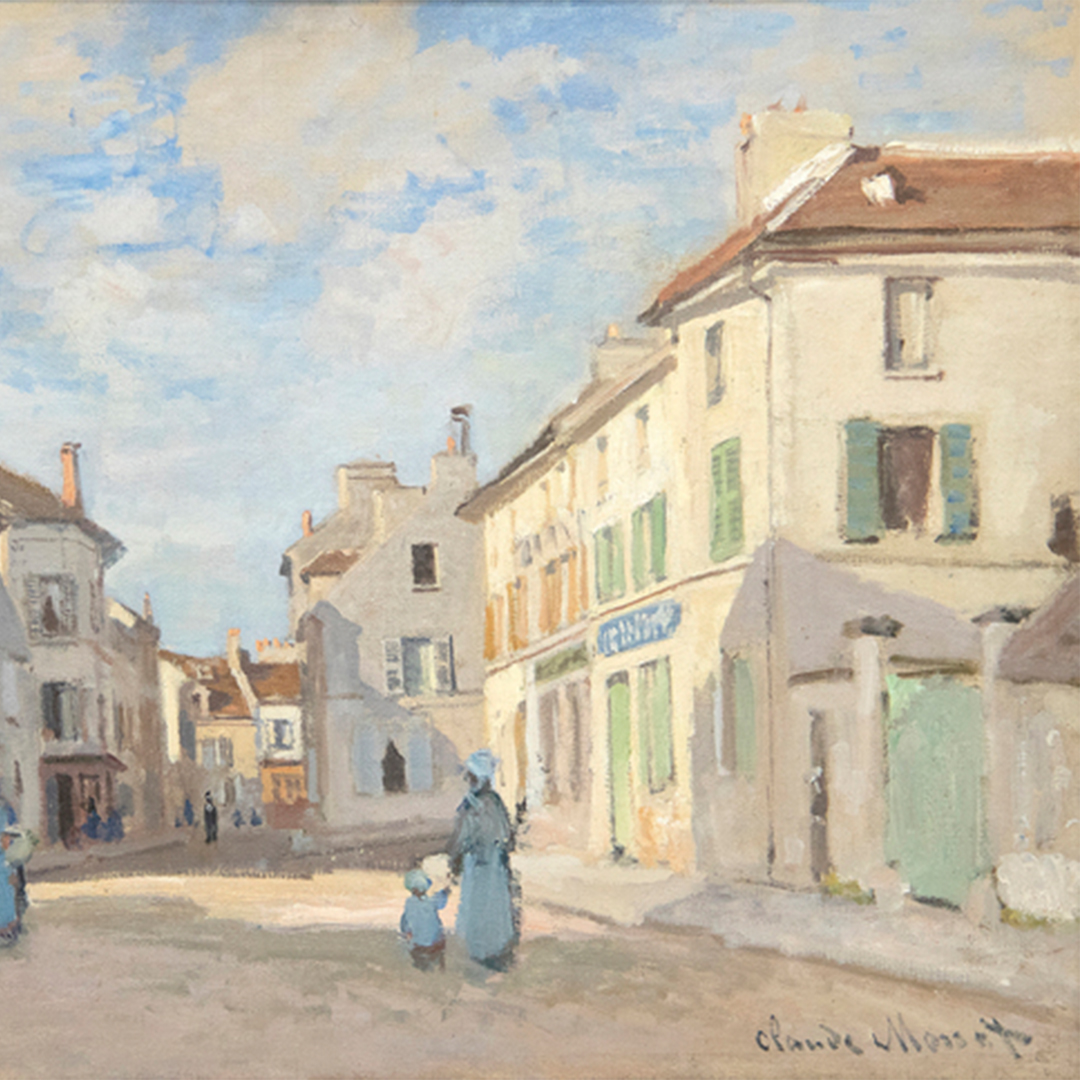
קלוד מונה: גאון אימפרסיוניסטי
ארכיון

קלוד מונה: גאון אימפרסיוניסטי

18 באוגוסט - 31 באוקטובר 2022
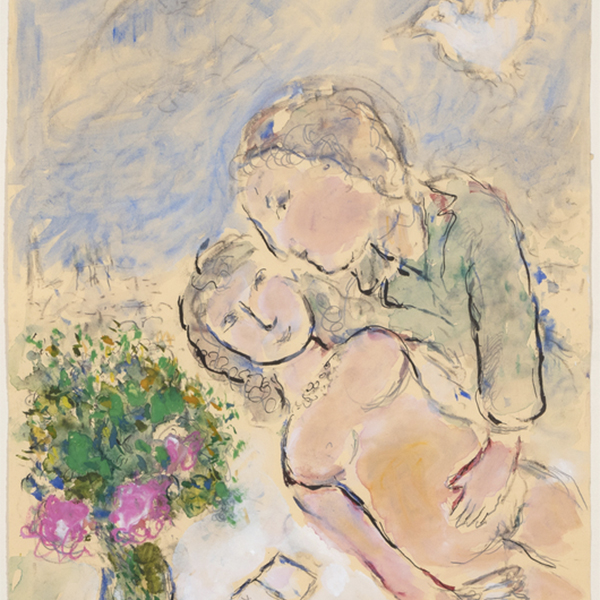
מארק שאגאל: צבע האהבה
ארכיון

מארק שאגאל: צבע האהבה

8 בספטמבר - 12 באוקטובר 2022
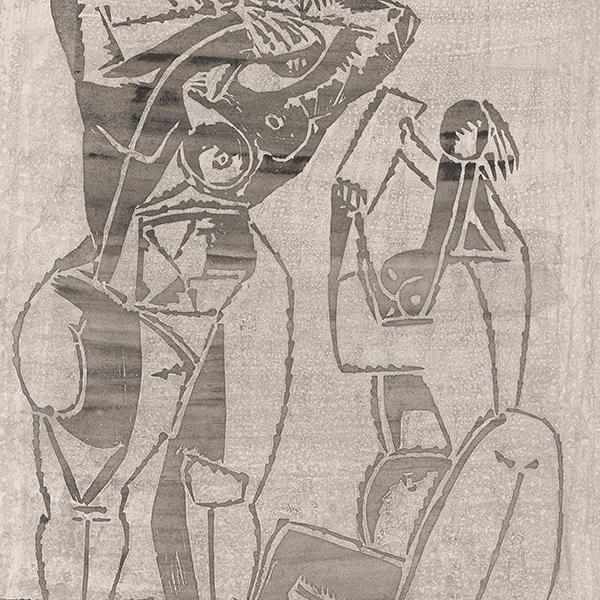
פיקאסו - הדפסים ועבודות על נייר
ארכיון

פיקאסו - הדפסים ועבודות על נייר

1 בספטמבר - 12 באוקטובר 2022
ציוריו של סר וינסטון צ
ארכיון

ציוריו של סר וינסטון צ'רצ'יל

1 באוגוסט - 16 בספטמבר 2018
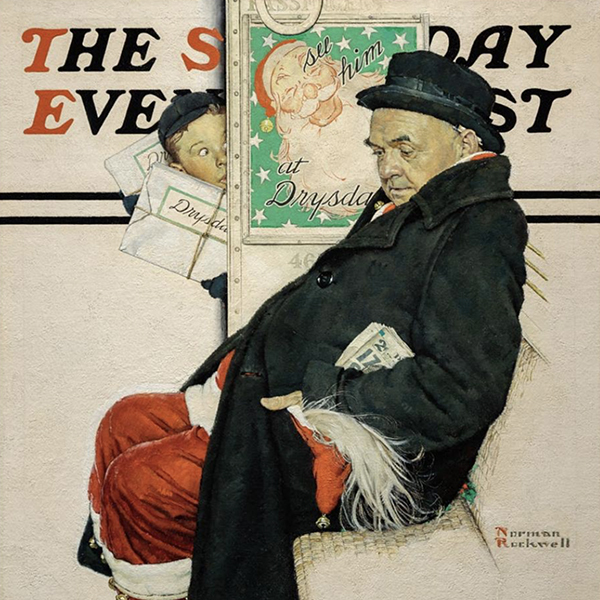
נורמן רוקוול: האמן בעבודה
ארכיון

נורמן רוקוול: האמן בעבודה

30 ביוני - 30 בספטמבר 2016

גרפיקה בתצוגה

אנדרו וויית' - מסלול כוכבים - צבעי מים על נייר - 21 1/4 x 29 אינץ'.

אנדרו וייט

RICHARD SERRA - Cape Breton Horizontal Reversal No.

ריצ'רד סרה

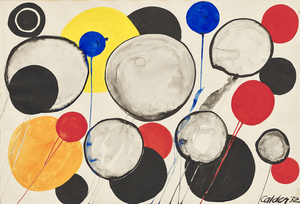
Rouge Mouille (אדום רטוב) של אלכסנדר קלדר כולל רקע של עיגולים אדומים, חלקם מתפזרים כמו פיצוצים, יוצרים תחושה של התרחבות אנרגטית, ואחרים רצים כלפי מטה כאילו זורמים שובלים של מופע זיקוקים. תפאורת אנימציה זו מעוטרת בכדורים עגולים אטומים רבים, שחורים ברובם, אך שזורים בכדורים כחולים, אדומים וצהובים עדינים בולטים. המיקום האסטרטגי של הכדורים הצבעוניים על רקע האדומים הנפיצים לוכד את היראה והמחזה של מופע זיקוקים, והופך את הציור למטאפורה ויזואלית לאירוע מסנוור וחגיגי זה. יצירת האמנות מהדהדת בהתרגשות ובחיוניות, ומתמצתת את יופייה הארעי במדיום סטטי.

אלכסנדר קלדר

© 2023 Calder Foundation, New York / Artists Rights Society (ARS), New York<br>Two Crosses by Alexander Calder is a striking work on paper, blending transparent watercolor and gouache, showcasing his signature repertoire of shapes and symbols. At its heart lies a large, black 'X' on a fluid, grayish wash, and nearby, a smaller, opaque black cross overlapping a semi-opaque red ball, and to its left, a roundish transparent wash patch hosts a black crescent shape. Several spheres in black provide accompaniment, and the artist's favored primary colors, and at the lower margin, his charming undulating line. Calder's sparing use of watercolor allows the paper's white to showcase the forms and symbols, creating a dynamic, impactful artwork where simplicity and the interplay of transparent and opaque elements captivate the viewer.

אלכסנדר קלדר

"Wigwam rouge et jaune", ציור גואש שובה לב של אלכסנדר קלדר, הוא חקירה תוססת של עיצוב וצבע. נשלט על ידי סריג של קווים אלכסוניים מצטלבים ליד שיאם, הקומפוזיציה משדרת איזון דינמי. קלדר מכניס אלמנט של שובבות עם צורות יהלומים אדומות וצהובות, המחדיר ליצירה שובבות ויוצר אווירה חגיגית. כדורים אדומים בקודקוד הקווים הנוטים ימינה מעוררים רושם גחמני, בעוד כדורים אפורים קטנים יותר על גבי קווים הנוטים שמאלה מציעים ניגודיות ושיווי משקל. השילוב המופתי של קלדר בין פשטות ואלמנטים עיצוביים חיוניים הופך את Wigwam rouge et jaune לתענוג חזותי.

אלכסנדר קלדר

© 2023 קרן קאלדר, ניו יורק / האגודה לזכויות אמנים (ARS), ניו יורק

אלכסנדר קלדר

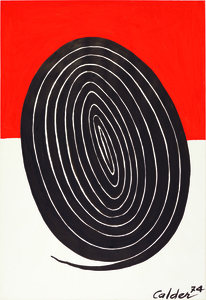
אלכסנדר קלדר - הספירלה הסגלגלה - גואש ודיו על נייר - 43 1/4 x 29 1/2 אינץ'.

אלכסנדר קלדר

הארי ברטויה - ללא כותרת (פסל צלילי) - נחושת בריליום וברונזה עם בסיס עץ - 36 1/2 x 8 x 8 אינץ'.

הארי ברטויה

HARRY BERTOIA - פסל ערבה - נירוסטה - 61 1/2 x 39 x 39 אינץ'.

הארי ברטויה

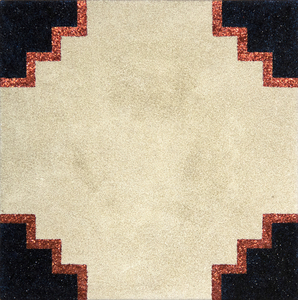
The essential and dramatic declaration “Let there be light” of Genesis is not so far removed from Mary Corse’s recollection of the moment in 1968 when the late afternoon sun electrified the reflective road markings of Malibu as she drove east. In an instant, the glowing asphalt markings provided the oracle she needed to realize she could ‘put light in the painting and not just make a picture of light’.  Using the same glass microbeads utilized by road maintenance services, she layers and embeds the prismatic material in bands and geometric configurations creating nuanced glimmering abstract fields which shift as the viewer moves in relationship to the work. Move to one side and dimness brightens to light. Walk back and forth and you might feel a rippling effect from its shimmering, prismatic effects.<br><br>A photographic image of a Mary Corse microsphere painting is not only a dull representation, but it also misses the point – it is experience dependent art that requires participation to ‘be’.  Of course, “Untitled” (1975) defies that one-point static perspective and instead, depends upon a real time, interactive art experience which heightens awareness of the body in space as the viewer experiences shifts of retinal stimulation, sensation and feeling. It is a rare bird.  Unusually petite at two-foot square, its design, geometry and color belie her earlier revelation that led to a devotion to her usual reductive palette. Instead, it is a bold statement in sequined color, its center field bounded at the corners by a sparkling red stepped motif that separates it from its starry night sky corner spandrels. It may not include a star motif, but it has the glamour and presence that belongs along Hollywood’s Walk of Fame.

מרי קורסה

<div>Andy Warhol’s <em>Mao</em> (1972) is one of the artist’s most iconic and provocative screenprints, reflecting his fascination with the intersection of political power and celebrity culture. This impression, numbered 244/250, comes from the regular edition of 250, in addition to 50 artist’s proofs. Warhol based the image on the widely circulated official portrait of Chairman Mao Zedong, a figure whose likeness was omnipresent in China during the Cultural Revolution. By reimagining the image through his vivid Pop palette, Warhol transformed a symbol of political authority into a mass-produced cultural icon. </div><br><br><div> </div><br><br><div>In this version, Mao’s face is rendered in a striking deep blue, offset by a green shirt and set against a turquoise background. The bold chromatic choices infuse the portrait with both drama and irony, destabilizing the original propagandistic authority of the image. Warhol further heightens this tension by juxtaposing flat, mechanical silkscreen layers with painterly flourishes, blurring the line between mass production and individual expression. </div><br><br><div> </div><br><br><div>The <em>Mao </em>series marked a new chapter in Warhol’s career in the 1970s, shifting from Hollywood stars to figures of global influence. Today, these works are regarded as essential statements on the nature of power, fame, and the pervasive reach of the image in contemporary culture. </div>

אנדי וורהול

מסוף שנות החמישים ועד אמצע שנות השישים, תרומותיו המוקדמות של ריי פארקר לציור שדה הצבע בולטות להפליא באיכותן התוססת והרעננה. פארקר סידר שני בלוקים צבעוניים חזקים או יותר בעלי קצוות מחוספסים בטכניקה נמרצת ומברישה על קנבסים גדולים שהוכנו בג'סו. בלוקים אלה, המעובדים בצבעים רוויים אך מלאי חיים בעדינות, מפגינים אנרגיה ייחודית. בעוד שהקומפוזיציות של פארקר עשויות להזכיר את אלה של רותקו, האופן שבו הצבע מועבר - בצורה מוצקה ועוצמתית - מבדיל ביניהן. תוך שמירה על קנה המידה הגדול והדינמיות של אסכולת ניו יורק, עבודתו של פרקר מתפצלת בכך שהיא מוותרת על העוצמה הרגשית המזוהה לעתים קרובות עם אקספרסיוניזם מופשט ומאמצת חזון של תנועה נטולת הפאתוס האופייני לה.

ריי פארקר

ראסל יאנג

This well preserved bell is one of the largest known bronzes from the Southeast Asian Bronze Age, generally named after the Dongson site in North Vietnam.  The swirling band design is finely and crisply cast. Dongson bronze drums were also reported in South China, Thailand, Laos, West Malaysia, and Indonesia and as Far East as Western Iranian Java. <br><br>The Dong Son culture is a Bronze age culture including all of southeast Asia and into the Indo-Malaya Archipelago from about 1000 to 1 BC. Centered on the Red River Valley of Vietnam, the Dong Son were sophisticated agriculturalists, raising rice and buffalo. Dong Son probably arose from local Neolithic cultures, such as Phung Nguyen and Dong Dau phases. Dong Son is identified with the Van Lang ruling dynasty, the first ruling dynasty of Vietnam. By the second century BC, impacts from the Han Dynasty in China were being felt and according to historic records, the Dong Son were absorbed into the Han Dynasty territory.

דרום מזרח אסיה

<div><font face=Lato size=3 color=black>Wayne Thiebaud’s <em>Breakfast</em>, from an edition of 50, demonstrates the artist’s signature blend of Pop-inflected realism and painterly intimacy. Executed in colored drypoint, the work captures the simple subject of a morning meal with a remarkable freshness: hatching lines soften and blur the composition, creating a pastel-like effect that distinguishes it from the crispness of commercial print design. Though slightly faded, the impression retains the playful chromatic sensibility and softly modeled shadowing that became hallmarks of Thiebaud’s style.</font></div><br><br><div><font face=Lato size=3> </font></div><br><br><div><font face=Lato size=3 color=black>Since the early 1960s, Thiebaud has been celebrated for his depictions of food—cakes, pies, gumball machines, and diner counters—rendered not as literal meals but as cultural icons, at once nostalgic and idealized. In <em>Breakfast</em>, the modest meal is transformed into a subject of contemplation and delight, celebrating the pleasures of everyday American life while evoking memory and desire. The combination of precision and informality speaks to Thiebaud’s ability to merge the immediacy of drawing with the enduring resonance of painting.</font></div><br><br><div><font face=Lato size=3> </font></div><br><br><div><font face=Lato size=3 color=black>Institutional recognition of the work’s importance is reflected in its inclusion within the National Gallery of Art, Washington, affirming its role within Thiebaud’s larger project of elevating common objects into images of enduring cultural significance.</font></div>

ויין תיאבאוד

ראסל יאנג - מיק ג'אגר (סימפתיה לשטן) - אקריליק, דיו על בסיס שמן, הדפס משי עם אבק יהלום על פשתן - 62 x 48 אינץ'.

ראסל יאנג

אלסוורת' קלי - ללא כותרת, (מתוך תיק העבודות "שמונה על שמונה" לציון העכשווי הזמני) - ליטוגרפיה על נייר קשתות - 28 3/4 x 40 3/4 אינץ'.

אלסוורת קלי

אלכס כץ - ויויאן - הדפס משי על קרטון מוזיאון - 39 x 41 אינץ'.

אלכס כץ

ראסל יאנג - ביטלמניה - הדפס משי אקרילי, דיו על בסיס שמן, ואבק יהלום על פשתן - 36 x 60 אינץ'.

ראסל יאנג

ראסל יאנג - דיוקן של אליזבת טיילור - הדפס משי על פשתן - 62 x 48 אינץ'.

ראסל יאנג

ראסל יאנג - קורט קוביין - צבע אקרילי, אמייל ואבק יהלום - הדפס משי על פשתן - 62 x 48 אינץ'.

ראסל יאנג

ראסל יאנג - אופניים של ברנדו - הדפס משי על פשתן - 62 x 48 אינץ'.

ראסל יאנג

אלסוורת' קלי - עקומה אדומה (מדינה שחורה) - ליטוגרפיה צבעונית - 25x21 ס"מ

אלסוורת קלי

JOSEF ALBERS - ניסוח: ביטוי - טביעת מסך - 12 x 11 3/4 אינץ'.

יוזף אלברס

JOSEF ALBERS - ניסוח: ביטוי - טביעת מסך - משמאל: 10 x 17 1/2 אינץ' מימין: 6 x 10 1/2 אינץ'.

יוזף אלברס

לורנס שילר - סוף היום, מרילין מונרו, "משהו חייב לתת" - הדפס ג'לטין מכסף - 20 x 24 אינץ '.

לורנס שילר

יועצים

אנדראה-אינטרנט-פוסט

אנדראה ריקו דאלין

סגן נשיא בכיר
ג'קסון הול, ויומינג

עם למעלה מ -20 שנה בתעשייה, אנדראה מחזיקה בתואר ראשון בתולדות האמנות עם קטין באמנות יפה מאוניברסיטת בינגהמטון, בינגהמטון, ניו יורק, ותואר שני באמנות מודרנית, אנינות טעם והיסטוריה של שוק האמנות מכריסטי'ס חינוך, ניו יורק, ניו יורק. היא מביאה מומחיות מניסיונה הן במוזיאונים והן בבתי מכירות פומביות, לאחר שעבדה במוזיאון נלסון-אטקינס לאמנות בקנזס סיטי ובכריסטי'ס בניו יורק.

מאז שהצטרפה להת'ר ג'יימס פיין ארט ב-2015, אנדריאה השיגה משלוחים ועזרה לבנות אוספים פרטיים ומוזיאונים בולטים עם אמנים חשובים, הכוללים את קלוד מונה, אלפרד סיסלי, אנרי מאטיס, אדגר דגה, נורמן רוקוול, אנדרו וייט, איליין דה קונינג, אנדי וורהול וטום וסלמן.

שרה 2025

שרה פישל

סגנית נשיא בכירה הת'ר ג'יימס ויו"ר משותף, ייעוץ אמנותי
ג'קסון הול, ויומינג

לשרה יש תשוקה עמוקה לאמנות ולהיסטוריה כאחד, לאחר שגדלה מוקפת באמנות. היא דחפה את האהבה המוקדמת הזו ליותר מעשור של ניסיון בעולם האמנות, וניווטה בין גלריות, בתי מכירות פומביות ומוזיאונים.

כמאמינה גדולה בלמידה ובחוויה של כל היבט של העסק, שרה עבדה ברחבי עולם האמנות בתפקידים שונים, והביאה גישה הוליסטית לייעוץ ולעבודתה. מאז 2015, שרה הייתה שחקנית מפתח בהת'ר ג'יימס פיין ארט, שם סיפקה שירות לקוחות מהשורה הראשונה, ניהלה את גלריית ג'קסון הול, אצרה תערוכות גלריה ובתי אספנים, והובילה יוזמות קידום מכירות אסטרטגיות.

לאחר שקיבלה תארים בעיתונאות ובהיסטוריה של האמנות מאוניברסיטת ניו יורק, המשיכה שרה את הבסיס האקדמי שלה עם תואר שני מתוכנית האמנות, המשפטים והעסקים של כריסטי בלונדון. מעבר לעיסוקיה המקצועיים והחינוכיים, שרה מעורבת באופן פעיל בארגונים הקרובים אליה, כולל מוזיאון הזיכרון לשואה של ארצות הברית וכחברת דירקטוריון של ג'קסון הול פאב ארט ו-Teton Adaptive.

כיו"ר משותף, שרה מביאה את ניסיונה האישי ואת הידע שלה באמנות ובאיסוף לכל אינטראקציה, ותמיד מחפשת את הפתרון הטוב ביותר לצרכי לקוחותיה.

בחדשות

שירותים

הת'ר ג'יימס פיין ארט מספקת מגוון רחב של שירותים מבוססי לקוח המתאימים לצרכי איסוף האמנות הספציפיים שלך. צוות התפעול שלנו כולל מטפלים מקצועיים באמנות, מחלקת רשם מלאה וצוות לוגיסטי בעל ניסיון רב בהובלת אמנות, התקנה וניהול אוספים. עם שירות כפפות לבנות וטיפול מותאם אישית, הצוות שלנו עובר את הקילומטר הנוסף כדי להבטיח שירותי אמנות יוצאי דופן עבור לקוחותינו.

הכירו אותנו

גרפיקה מוצגת

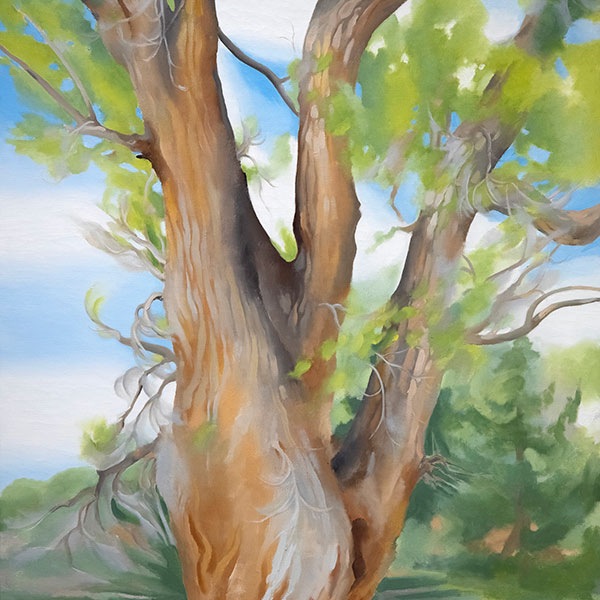
Cottonwood Tree (Near Abiquiu), New Mexico (1943) by celebrated American artist Georgia O’Keeffe is exemplary of the airier, more naturalistic style that the desert inspired in her. O’Keeffe had great affinity for the distinctive beauty of the Southwest, and made her home there among the spindly trees, dramatic vistas, and bleached animal skulls that she so frequently painted. O’Keeffe took up residence at Ghost Ranch, a dude ranch twelve miles outside of the village of Abiquiú in northern New Mexico and painted this cottonwood tree around there. The softer style befitting this subject is a departure from her bold architectural landscapes and jewel-toned flowers.<br><br>The cottonwood tree is abstracted into soft patches of verdant greens through which more delineated branches are seen, spiraling in space against pockets of blue sky. The modeling of the trunk and delicate energy in the leaves carry forward past experimentations with the regional trees of the Northeast that had captivated O’Keeffe years earlier: maples, chestnuts, cedars, and poplars, among others. Two dramatic canvases from 1924, Autumn Trees, The Maple and The Chestnut Grey, are early instances of lyrical and resolute centrality, respectively. As seen in these early tree paintings, O’Keeffe exaggerated the sensibility of her subject with color and form.<br><br>In her 1974 book, O’Keeffe explained: “The meaning of a word— to me— is not as exact as the meaning of a color. Color and shapes make a more definite statement than words.” Her exacting, expressive color intrigued. The Precisionist painter Charles Demuth described how, in O’Keeffe’s work, “each color almost regains the fun it must have felt within itself on forming the first rainbow” (As quoted in C. Eldridge, Georgia O’Keeffe, New York, 1991, p. 33). As well, congruities between forms knit together her oeuvre. Subjects like hills and petals undulate alike, while antlers, trees, and tributaries correspond in their branching morphology.<br><br>The sinewy contours and gradated hues characteristic of O’Keeffe find an incredible range across decades of her tree paintings. In New Mexico, O’Keeffe returned to the cottonwood motif many times, and the seasonality of this desert tree inspired many forms. The vernal thrill of new growth was channeled into spiraling compositions like Spring Tree No.1 (1945). Then, cottonwood trees turned a vivid autumnal yellow provided a breathtaking compliment to the blue backdrop of Mount Pedernal. The ossified curves of Dead Cottonweed Tree (1943) contain dramatic pools of light and dark, providing a foil to the warm, breathing quality of this painting, Cottonwood Tree (Near Abiquiu). The aural quality of this feathered cottonwood compels a feeling guided by O’Keeffe’s use of form of color.

ג'ורג'יה אוקיף

JOAN MIRO - Tête de femme (déesse) - ברונזה עם פטינה שחורה - 66 x 36 1/2 x 30 אינץ '.

ג'ואן מירו

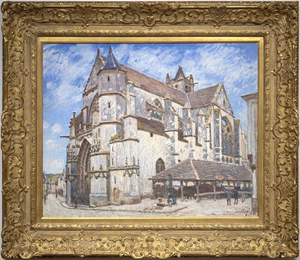
Between Île-de-France and Burgundy and on the edge of the Fontainebleau Forest lies the medieval village of Moret-sur-Loing, established in the 12th century. When Alfred Sisley described its character to Monet in a letter dated 31 August 1881 as “a chocolate-box landscape…” he meant it as a memento of enticement; that its keep, the ramparts, the church, the fortified gates, and the ornate facades nestled along the river were, for a painter, a setting of unmatched charm. An ancient church, always the most striking townscape feature along the Seine Valley, would be a presence in Sisley’s townscape views as it was for Corot, and for Monet at Vétheuil. But unlike Monet whose thirty views of Rouen Cathedral were executed so he could trace the play of light and shadow across the cathedral façade and capture the ephemeral nature of moment-to-moment changes of light and atmosphere, Sisley set out to affirm the permanent nature of the church of Notre-Dame at Moret-sur-Loing.  Monet’s sole concern was air and light, and Sisley’s appears to be an homage keepsake. The painting exudes respect for the original architects and builders of a structure so impregnable and resolute, it stood then as it did in those medieval times, and which for us, stands today, as it will, for time immemorial.<br><br>Nevertheless, Sisley strived to show the changing appearance of the motif through a series of atmospheric changes. He gave the works titles such as “In Sunshine”, “Under Frost”, and “In Rain” and exhibited them as a group at the Salon du Champ-de-Mars in 1894, factors that suggest he thought of them as serial interpretations. Nevertheless, unlike Monet’s work, l’église de Moret, le Soir reveals that Sisley chose to display the motif within a spatial context that accentuates its compositional attributes — the plunging perspective of the narrow street at left, the strong diagonal recession of the building lines as a counterbalance to the right, and the imposing weight of the stony building above the line of sight.

אלפרד סיסלי

וילם דה KOONING - אישה בסירת משוטים - שמן על נייר הניח על הבונים החופשיים - 47 1/2 x 36 1/4 ב.

וילם דה קונינג

בתחילת שנות ה-70 של המאה ה-19 צייר וינסלו הומר לעתים קרובות סצנות של חיים כפריים ליד כפר חקלאי קטן שנודע במשך דורות בזכות דוכני החיטה המרשימים שלו, הממוקם בין נהר ההדסון לקטסקיל במדינת ניו יורק. כיום הארלי מפורסם הרבה יותר כהשראה לאחת מיצירותיו הגדולות ביותר של הומרוס, Snap the Whip שצויר בקיץ 1872. בין הציורים הרבים האחרים בהשראת האזור, נערה עומדת בשדה החיטה עשירה בסנטימנטים, אך לא סנטימנטלית מדי. הוא מתקשר ישירות למחקר משנת 1866 שצויר בצרפת בשם "בשדות החיטה", ומחקר נוסף שצויר שנה לאחר מכן לאחר שובו לאמריקה. אבל הומרוס היה ללא ספק גאה ביותר בזה. זהו דיוקן, חדר לימוד תלבושות, ציור ז'אנרי במסורת הגדולה של הציור הפסטורלי האירופי, וטור דה פורס מואר בדרמטיות, ספוג באור השעה הזוהר הדועך במהירות, מצופה בתווים פרחוניים ונגיעות קוצים של חיטה. בשנת 1874 שלח הומרוס ארבעה ציורים לתערוכה של האקדמיה הלאומית לעיצוב. אחד מהם נקרא "ילדה". יכול להיות שזה לא זה?

וינסלו הומר

<div>When forty rural Sacramento Delta landscapes by Wayne Thiebaud were unveiled at a San Francisco gallery opening in November 1997, attendees were amazed by paintings they never anticipated. This new frontier betrayed neither Thiebaud’s mastery of confectionary-shop colors nor his impeccable eye for formal relationships. Rather, his admirers were shocked to learn that all but seven of these forty interpretations had been completed in just two years. As his son Paul recalled, “the refinements of my father’s artistic process were ever changing in a chameleon-like frenzy.” The new direction had proved an exhilarating experience, each painting an affirmation of Wayne Thiebaud’s impassioned response to the fields and levees of the local environment he dearly loved.   </div><br><br><div> </div><br><br><div>Viewed from the perspective of a bird or a plane, "The Riverhouse" is an agrarian tapestry conceived with a kaleidoscopic range of shapes and simple forms; fields striped with furrows or striated fans, deliriously colored parallelograms and trapezoids, an orchard garnished pizza-shaped wedge, and a boldly limned river, the lifeline of a thirsty California central valley largely dependent upon transported water. "The Riverhouse" is a painting that ‘moves’ between seamlessly shifting planes of aerial mapping that recalls Richard Diebenkorn’s stroke of insight when he took his first commercial flight the spring of 1951, and those partitions engaging a more standard vanishing point perspective. Thiebaud explained his process as “orchestrating with as much variety and tempo as I can.” Brightly lit with a fauve-like intensity, "The Riverhouse" is a heady concoction of vibrant pigment and rich impasto, one that recalls his indebtedness to Pierre Bonnard whose color Thiebaud referred to as “a bucket full of hot coals and ice cubes.” Among his many other influences, the insertion of objects — often tiny — that defy a rational sense of scale that reflects his interest in Chinese landscape painting.  As always, his mastery as a painter recalls his titular pies and cakes with their bewitching rainbow-like halos and side-by-side colors of equal intensity but differing in hues to create the vibratory effect of an aura, what Thiebaud explained “denotes an attempt to develop as much energy and light and visual power as you can.” </div><br><br><div> </div><br><br><div>Thiebaud’s Sacramento Delta landscapes are an integral and important part of his oeuvre. Paintings such as "The Riverhouse" rival the best abstract art of the twentieth century. His good friend, Willem de Kooning thought so, too.</div>

ויין תיאבאוד

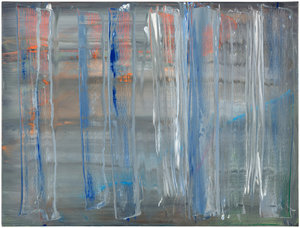
<div><font face=Lato size=3>Widely recognized as one of the most consequential artists of our time, Gerhard Richters career now rivals that of Picasso's in terms of productivity and genius. The multi-faceted subject matter, ranging from slightly out-of-focus photographic oil paintings to Kelly-esque grid paintings to his "squeegee" works, Richter never settles for repeating the same thought- but is constantly evolving his vision. Richter has been honored by significant retrospective exhibitions, including the pivotal 2002 show,  "Gerhard Richter: Forty Years of Painting," at the Museum of Modern Art, New York.    "Abstraktes Bild 758-2" (1992) comes from a purely abstract period in Richter's work- where the message is conveyed using a truly physical painting style, where applied paint layers are distorted with a wooden "Squeegee" tool. Essentially, Richter is sculpting the layers of paint, revealing the underlayers and their unique color combinations; there is a degree of "art by chance". If the painting does not work, Richter will move on- a method pioneered by Jackson Pollock decades earlier.    Richter is included in prominent museums and collections worldwide, including the Tate, London, The Museum of Modern Art, New York, and the San Francisco Museum of Modern Art, among many others.</font></div>

גרהרד ריכטר

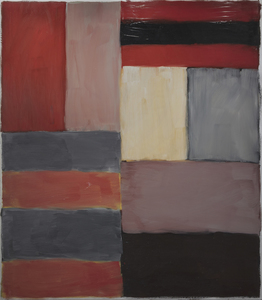
The frame of reference for Irish American Sean Scully’s signature blocks and stripes is vast. From Malevich’s central premise that geometry can provide the means for universal understanding to Rothko’s impassioned approach to color and rendering of the dramatic sublime, Scully learned how to condense the splendor of the natural world into simple modes of color, light, and composition. Born in Dublin in 1945 and London-raised, Scully was well-schooled in figurative drawing when he decided to catch the spirit of his lodestar, Henri Matisse, by visiting Morocco in 1969. He was captivated by the dazzling tessellated mosaics and richly dyed fabrics and began to paint grids and stipes of color. Subsequent adventures provided further inspiration as the play of intense light on the reflective surfaces of Mayan ruins and the ancient slabs of stone at Stonehenge brought the sensation of light, space, and geometric movement to Scully’s paintings. The ability to trace the impact of Scully’s travels throughout his paintings reaffirms the value of abstract art as a touchstone for real-life experience.<br><br><br>Painted in rich, deep hues and layered, nuanced surfaces, Grey Red is both poetic and full of muscular formalism. Scully appropriately refers to these elemental forms as ‘bricks,’ suggesting the formal calculations of an architect. As he explained, “these relationships that I see in the street doorways, in windows between buildings, and in the traces of structures that were once full of life, I take for my work. I use these colors and forms and put them together in a way that perhaps reminds you of something, though you’re not sure of that” (David Carrier, Sean Scully, 2004, pg. 98). His approach is organic, less formulaic; intuitive painter’s choices are layering one color upon another so that contrasting hues and colors vibrate with subliminal energy. Diebenkorn comes to mind in his pursuit of radiant light. But here, the radiant bands of terracotta red, gray, taupe, and black of Grey Red resonate with deep, smoldering energy and evoke far more affecting passion than you would think it could impart. As his good friend, Bono wrote, “Sean approaches the canvas like a kickboxer, a plasterer, a builder. The quality of painting screams of a life being lived.”

שון סקאלי

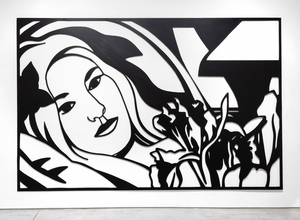
<div>Tom Wesselmann will undoubtedly be remembered for associating his erotic themes with the colors of the American flag. But Wesselmann had considerable gifts as a draftsman, and the line was his principal preoccupation, first as a cartoonist and later as an ardent admirer of Matisse. That he also pioneered a method of turning drawings into laser-cut steel wall reliefs proved a revelation. He began to focus ever more on drawing for the sake of drawing, enchanted that the new medium could be lifted and held: “It really is like being able to pick up a delicate line drawing from the paper.”  The Steel Drawings caused both excitement and confusion in the art world. After acquiring one of the ground-breaking works in 1985, the Whitney Museum of American Art wrote Wesselmann wondering if it should be cataloged as a drawing or a sculpture. The work had caused such a stir that when Eric Fischl visited Wesselmann at his studio and saw steel-cut works for the first time, he remembered feeling jealous. He wanted to try it but dared not. It was clear: ‘Tom owned the technique completely.’  Wesselmann owed much of that technique to his year-long collaboration with metalwork fabricator Alfred Lippincott. Together, in 1984 they honed a method for cutting the steel with a laser that provided the precision he needed to show the spontaneity of his sketches. Wesselmann called it ‘the best year of my life’, elated at the results that he never fully achieved with aluminum that required each shape be hand-cut.  “I anticipated how exciting it would be for me to get a drawing back in steel. I could hold it in my hands. I could pick it up by the lines…it was so exciting…a kind of near ecstasy, anyway, but there’s really been something about the new work that grabbed me.”  <em>Bedroom Brunette with Irises</em> is a Steel Drawing masterwork that despite its uber-generous scale, utilizes tight cropping to provide an unimposing intimacy while maintaining a free and spontaneous quality. The figure’s outstretched arms and limbs and body intertwine with the petals and the interior elements providing a flowing investigative foray of black lines and white ‘drop out’ shapes provided by the wall. It recalls Matisse and any number of his reclining odalisque paintings. Wesselmann often tested monochromatic values to discover the extent to which color would transform his hybrid objects into newly developed Steel Drawing works and, in this case, continued with a color steel-cut version of the composition <em>Bedroom Blonde with Irises</em> (1987) and later still, in 1993 with a large-scale drawing in charcoal and pastel on paper.</div>

טום ווסלמן

<div><font face=Lato size=3 color=black>Irving Norman conceived and created <em>The Human Condition</em> at a time when he must have reflected deeply on the totality of his life. Given its grand scale and cinematic treatment, it impresses as a profound culmination of his artistic journey, synthesizing decades of themes, insights, and experiences into a single monumental work. A man of great humility and an artist of uncommon skill, he translated a horrendous war experience into impactful allegories of unforgettable, often visceral imagery. He worked in solitude with relentless forbearance in a veritable vacuum without fame or financial security. Looking to the past, acutely aware of present trends, he knew, given the human predicament, he was forecasting the future. As one New York Times reviewer mused in 2008, "In light of current circumstances, Mr. Norman's dystopian vision may strike some…as eerily pertinent," an observation that recalled recent events.<br><br></font></div><br><br><div><font face=Lato size=3 color=black>Irving Norman's figures, manipulated by their environment and physical space, are of a style that exaggerates the malleability of the human form to underscore their vulnerability and subjugation. This literal and symbolic elasticity suggests that these figures are stretched, compressed, or twisted by the forces of their environment, emphasizing their lack of autonomy and the oppressive systems that govern their existence. While these figures reflect vulnerability, Norman's structural choice in <em>The Human Condition</em> creates a stark juxtaposition that shifts attention toward the central tableau. A commanding female figure, rising above the calamitous failures and atrocities of the past, is joined by a man, forming a symbolic "couple,” suggesting the unity and shared responsibility of a new vision. Their hands, magnified and upturned, present these children as a vision offering hope and renewal for the future. The gesture, combined with the futuristic clothing of the diminutive figures, reinforces the idea of an alternative path—a brighter, forward-looking humanity. The central tableau acts as a metaphorical offering, inviting the viewer to consider a future untouched by the weight of darkness from which these figures emerge.<br><br></font></div><br><br><div><font face=Lato size=3 color=black>Here, Norman underscores a hopeful, if not optimistic, vision for generations ahead. The structural decision suggests a deliberate shift in focus: the darker scenes relegated to the sides represent the burdens, past and present. At the same time, the central figures embody the potential for a future shaped by resilience and renewal. This juxtaposition distinguishes <em>The Human Condition</em> as a reflection of Norman's later years, where a tempered hope emerges to claim the high ground over the war-mongering, abject corruption, frantic pleasure-seeking, and the dehumanizing effects of modern society.<br><br></font></div><br><br><div><font face=Lato size=3 color=black>Throughout his long career, Norman stood tall in his convictions; he turned, faced the large, empty canvases, and designed and painted complex, densely populated scenes. As for recognition, he rationalized the situation—fame or fortune risked the unsullied nature of an artist's quest. Ultimately, <em>The Human Condition</em> is a summation of Norman's life and work and a call to action, urging us to examine our complicity in the systems he so vividly depicted. Through meticulous craftsmanship and allegorical intensity, it is a museum-worthy masterwork that continues to resonate, its themes as pertinent today as they were when Norman painstakingly brought his vision to life.</font></div>

אירווינג נורמן

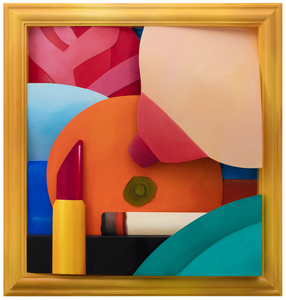
Tom Wesselmann was a leader of the Pop Art movement. He is best remembered for large-scale works, including his Great American Nude series, in which Wesselmann combined sensual imagery with everyday objects depicted in bold and vibrant colors. As he developed in his practice, Wesselmann grew beyond the traditional canvas format and began creating shaped canvases and aluminum cut-outs that often functioned as sculptural drawings. Continuing his interest in playing with scale, Wesselmann began focusing more closely on the body parts that make up his nudes. He created his Mouth series and his Bedroom series in which particular elements, rather than the entire sitter, become the focus.<br> <br>Bedroom Breast (2004) combines these techniques, using vivid hues painted on cut-out aluminum. The work was a special commission for a private collector's residence, and the idea of a bedroom breast piece in oil on 3-D cut-out aluminum was one Wesselmann had been working with for many years prior to this work's creation. The current owner of the piece believed in Wesselmann's vision and loved the idea of bringing the subject to his home.<br><br>It's one of, if not the last, piece Wesselmann completed before he passed away. The present work is the only piece of its kind - there has never been an oil on aluminum in 3D at this scale or of this iconography.  

טום ווסלמן

איש קשר

צרו קשר